

Before we can understand why Nigeria works the way it does, we must first understand what Nigeria actually is.
Nigeria is one of the most talked-about countries in Africa. We discuss its elections, complain about its economy, debate its policies, celebrate its culture, and argue endlessly about how it should be governed. Yet, if you stopped the average Nigerian on the street and asked a simple question- “What exactly is Nigeria?”- the answer might not be as straightforward as we’d expect.
So, let’s start from the beginning.
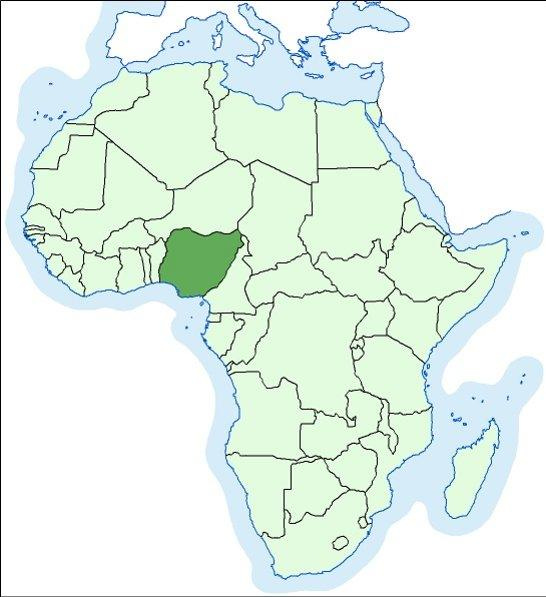
Why Is Nigeria Called the "Giant of Africa"?
Before we examine Nigeria’s political structure, it’s worth understanding why the country has one of Africa’s most famous nicknames.
Nigeria is widely referred to as the “Giant of Africa” because of its immense size, influence, and potential.
The title isn’t official, but it reflects several realities:
Africa’s largest population, with about 230 million people, making it the continent’s biggest consumer market and labour force.
One of Africa’s largest economies, powered by industries such as oil and gas, agriculture, financial services, telecommunications, entertainment, manufacturing, and technology.
A global cultural powerhouse, home to Nollywood, Afrobeats, internationally acclaimed literature, fashion, art, and cuisine that shape African culture worldwide.
Regional leadership, particularly through diplomacy, peacekeeping efforts, and its influence across West Africa.
A thriving entrepreneurial ecosystem, especially in cities like Lagos, where startups, fintech companies, and creative businesses continue attracting global attention.
At the same time, many Nigerians question whether the country has fully lived up to that title. Despite its enormous human and natural resources, Nigeria continues to grapple with insecurity, unemployment, infrastructure deficits, poverty, inflation, and governance challenges.
Perhaps the nickname isn’t simply a reflection of what Nigeria is today; it is also a reminder of what the country has the capacity to become.
Why Is It Called the Federal Republic of Nigeria?
Nigeria’s official name is the Federal Republic of Nigeria, and each word carries meaning.
Nigeria
The country’s name comes from the River Niger, one of West Africa’s longest rivers. The name was coined in the late 19th century by British journalist Flora Shaw, who later became Lady Lugard after marrying colonial administrator Frederick Lugard.
Republic
A republic is a country where the head of state is chosen by citizens, rather than inheriting power through a monarchy.
Unlike countries such as the United Kingdom, where a king serves as Head of State, Nigerians elect a president.
Federal
The word that often raises the most questions is Federal.
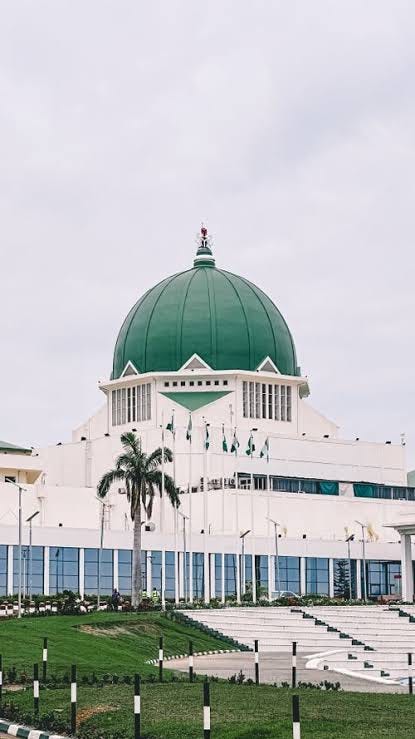
What Does "Federal" Actually Mean?
A federation is a system of government where political power is shared between a central government and smaller regional governments.
In Nigeria, power is divided among three levels:
The Federal Government, which makes decisions affecting the entire country.
The 36 State Governments, which oversee many matters within their respective states.
The 774 Local Government Areas (LGAs), which are intended to provide governance closest to the people.
This means Nigeria is not governed entirely from Abuja.
The Federal Government handles matters such as defence, foreign affairs, immigration, customs, monetary policy, and national security.
State governments manage many public schools, state hospitals, state roads, agriculture, housing, and other state-level responsibilities.
Local governments are expected to oversee community-level services such as markets, environmental sanitation, local roads, primary healthcare, and grassroots development.
The principle is straightforward: a country as large, populous, and diverse as Nigeria cannot be effectively governed by one central authority alone.
Why Does Nigeria Have 36 States and the FCT?
Nigeria wasn’t always made up of 36 states.
At Independence in 1960, the country consisted of three regions:
Northern Region
Western Region
Eastern Region
A fourth region- the Mid-Western Region - was later created.
Over time, these regions were divided into states to bring government closer to the people, improve administration, reduce regional dominance, and better accommodate Nigeria’s ethnic and cultural diversity.
Today, Nigeria consists of 36 states and the Federal Capital Territory (FCT).

What Makes the FCT Different?
Many Nigerians mistakenly assume that the FCT is simply another state.
It isn’t.
The Federal Capital Territory was created in 1976 as a neutral capital territory and officially became Nigeria’s capital in 1991 when the seat of government moved from Lagos to Abuja.
Unlike a state, the FCT is administered directly by the Federal Government through a Minister appointed by the President rather than an elected governor.
Nigeria Is Not a Unitary State
Not every country is organised like Nigeria.
In a unitary system, most political authority rests with the central government, while regional governments exercise only powers delegated to them.
Nigeria deliberately adopted a federal system because of its unique characteristics.
With over 250 ethnic groups, hundreds of languages, multiple religions, and distinct cultural identities, concentrating power in one central authority was considered impractical.
Federalism was intended to promote representation, reduce political domination, and allow different parts of the country to govern many of their own affairs.
Nigeria is not alone in this approach. Countries such as the United States, Canada, Germany, Australia, and India also operate federal systems - although each implements federalism differently.
Understanding Nigeria's Three Tiers of Government
You’ll often hear people refer to Nigeria’s three tiers of government.
Federal Government
Responsible for national matters including:
Defence
Foreign affairs
Immigration
Customs
Monetary policy
National security
State Governments
Responsible for many state-level services, including:
State education
State healthcare
State infrastructure
Agriculture
Housing
Transportation within the state
Local Governments
Responsible for governance closest to citizens, including:
Community infrastructure
Local markets
Environmental sanitation
Primary healthcare
Grassroots development
Although responsibilities sometimes overlap, understanding which level of government performs which functions makes it easier for citizens to know where accountability should lie.
Why Understanding Nigeria Matters
Many of Nigeria’s biggest political conversations begin with a simple misunderstanding of how the country is structured.
Whenever fuel prices rise, roads deteriorate, insecurity increases, floods occur, or public services fail, frustration often lands on one office or one individual.
But governing a federation is far more complex than that.
Understanding what Nigeria is, why it is called the Giant of Africa, and how its federal structure is designed to work is the first step towards understanding who makes which decisions, who is responsible for delivering public services, and where citizens should demand accountability.
Only when we understand the system can we effectively evaluate whether it is working.
Next on Nigeria 101
The Three Arms of Government
Who they are. What they do. Why so many Nigerians confuse their responsibilities-and why we often hold the wrong institutions accountable for the wrong decisions.
Nigeria feels like a science project that has repeatedly continued to fail.